

May we invite you?
Invest in pastors as part of your spiritual legacy!
FINANCIAL RETURN ON INVESTMENT
We offer unprecedented return on investment. When a dollar helps a church get on mission, that church reallocates more dollars to mission. If one church rededicates $15,000, annually, to mission, your investment generates a financial ROI of 250% … every year.
Why 360 Pastor?
UNPARALLELED RETURN ON INVESTMENT!
SPIRITUAL RETURN ON INVESTMENT
Pastors lead their churches in Christ’s mission. Churches serve the poor which lends credibility to their witness. Neighbors follow Christ. New believers infuse purpose into the church. The whole church experiences spiritual revival.
ETERNAL RETURN ON INVESTMENT
As churches care for others and as neighbors respond to the Gospel, you will see your spiritual heritage grow. You will see an eternal impact. And you will experience a joy that can only come through cementing an eternal legacy.
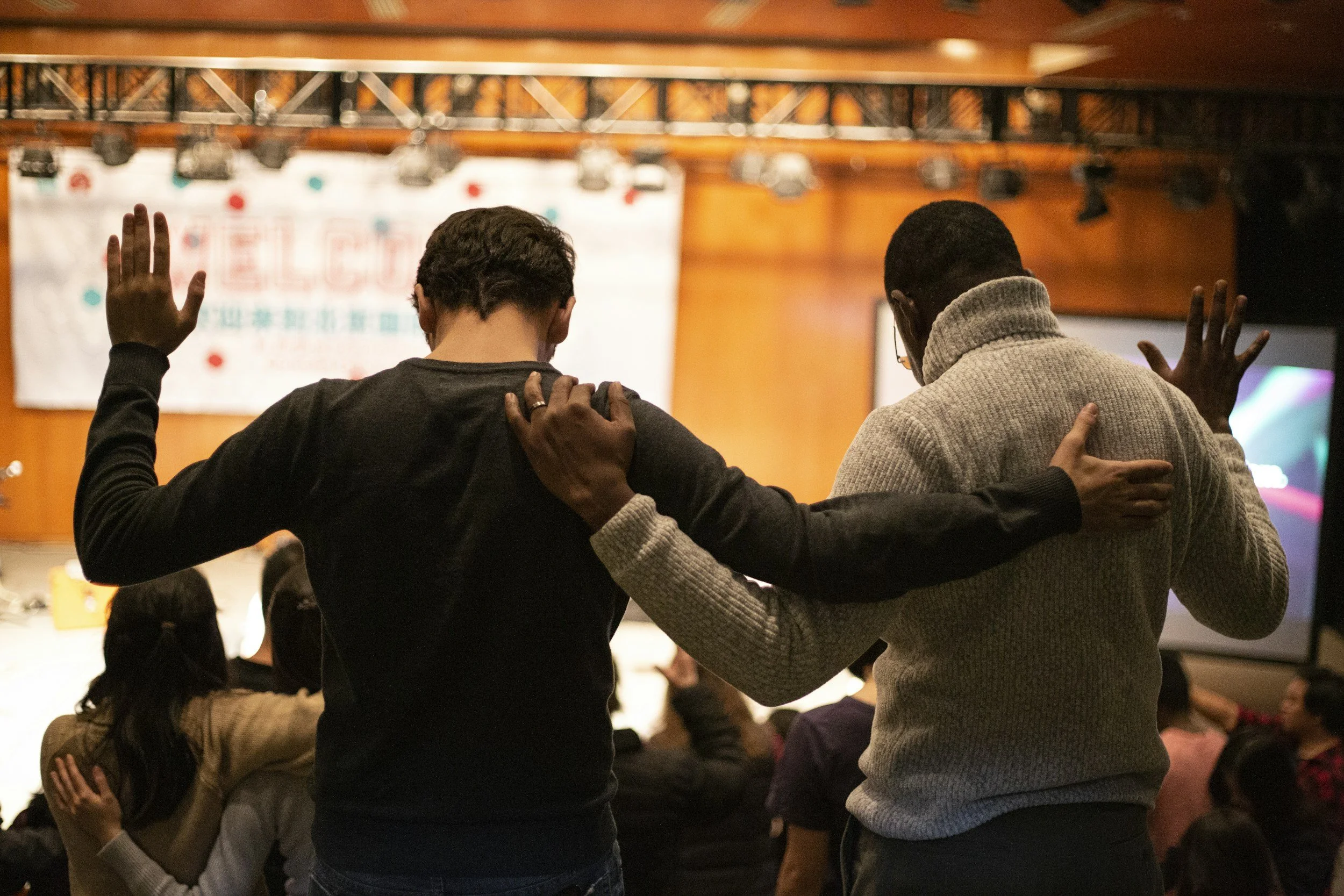
You invest in leaders.
They grow missional churches.
These churches invite others to follow Jesus.
SO IMAGINE: Someday you’ll visit a heavenly neighborhood
filled with people saved in that church.
-
Our world and our nation are in chaos. It’s undeniable. We believe God promises to work through churches to set the world to rights.
Some people place their hope in politics, academia, media, or business. We’re skeptical. We believe that without people of faith to inhabit these institutions, peace will remain elusive. God transforms people through the church. And people of faith transform their communities and nations.
If this sounds grandiose, it’s happened before. Consider the first followers of Jesus. They lived missionally, built up the church, spread the Gospel, cared for neighbors, and upended the Roman Empire.
We believe our world needs the church to lead a revolution like this again. Thinking globally, the church in the two-thirds world is stepping up. But the church in America is slumping. The United States is now the world’s third largest mission field. Can we bend the curve in America?
-
Sadly, most legacy American churches are aslepp at the switch. Christ gave the church a mission. But most legacy churches have drifted off mission. They follow a normal life cycle of birth, growth, and then decay until they are focused only on internal concerns. This is what needs to chagne.
Imagine a hypothetical church, Central Church. The leaders at Central want to be part of the solution. Like 90% of American churches, Central was allocating 100% of its resources to its current members. It dedicated its programs, staff time, and budget (not counting foreign missions) to the already converted. It touched ZERO people outside its walls with the Gospel and had drifted far from the God-given mission of “making disciples.” The result? Not only did it fail to make a dent in its community, its activities no longer felt vibrant or alive.
Some people did talk vaguely about making an impact in the city, but Central never got around to i
A FULL CASE FOR INVESTING IN PASTORS AND LEADERS
-
The problem was Central’s ingrown culture. Without an external mission, it baptized only its own children. Year after year, it dept doing the same old things. Gradually things grew stale. Young people leave. The congregation grays out.
Ingrown churches decline naturally. With their best years behind them, they trudge along a long, slow path toward death. Legacy churches can survive for decades, but they rarely thrive. Many are a shadow of their former selves. Best case, before they close, they find a dynamic church planter to take the building.
-
As we listen, we hear people pinning their hopes for Kingdom advance in America on church planters. We agree with church planting 1000%. But we need 12,000 church plants a year to keep up with population growth. We’re planting 4000 a year.
We at 360 Pastor agree that planters are doing a phenomenal job. Yet it seems, by default, we unfairly put our evangelistic eggs into the one basket of church planting. Something like 200,000 to 250,000 evangelical congregations serve in America. But somehow our ruling paradigm of mission here in America assumes that most of the 250,000 won’t get into the game of reaching out to their neighbors.
We found ourselves wondering: Why do we count disproportionately on church planters to reach our nation? We think church planters would love for the rest of us to help. And we think the rest of us would find great joy in joining the harvest.
-
Yes! We’ve seen churches turn around. When a legacy church decides to get on mission, here’s how things typically unfold:
Central’s pastor and elders covenant together to obey the command in Mt 28:19-20 to “make disciples.” This included inviting others to follow Christ. These leaders gather the staff, volunteers, and congregation, and they lead a culture change to move from an inward to an outward focus.
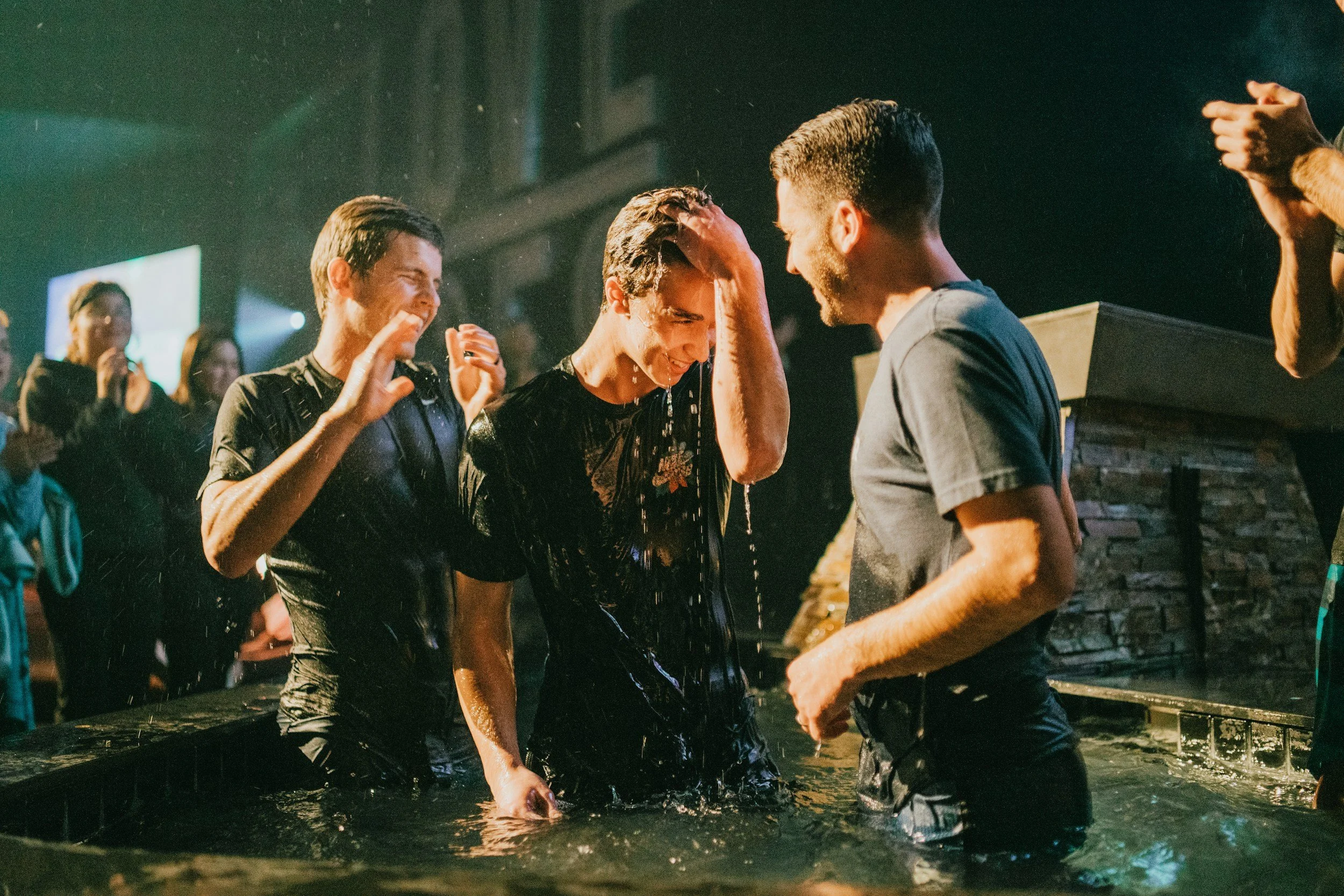
As Central reorganizes around the mission to make disciples, the church starts seeing conversions and baptisms.
As new believers join the church and contribute As new believers join the church and contribute to its mission, Central starts growing in size and godly influence.
At first, some members complain, “Why aren’t you serving me?” But when they see alcoholics healed, families reunited, and skeptics saved, most get excited about their church again.
Other members express concern about deep discipleship. But they soon realize that serving the mission of Christ actually deepens their faith, even more than some traditional church activities.
When a church gets on mission, several things happen: (1) It reaches people for Christ and watches lives change for the better. This builds God’s Kingdom. (2) Christians who see people come to Christ get excited about their church. This new energy flows throughout the church and creates renewal. (3) The renewed desire to serve God radiates out into the community and brings social renewal. In this way, stagnation gives way to spiritual vitality. Compassion ministries and Gospel witness reinforce each other. The whole church becomes a Gospel lighthouse in its city.
-
Everything depends on leadership, especially the senior pastor, but also the elders and key staff or volunteers.
A decision by Central’s pastor and elders to chart a new course is essential. This doesn’t mean that human effort alone brings the change. It means that effective leaders set the stage and God’s Spirit does the work. “I planted, Apollos watered, but God gave the increase” (I Cor 3:6-7).
Without this leadership commitment, the Holy Spirit is quenched. Which is exactly why 360 Pastor zeroes in on this lynchpin—spiritual leadership. By equipping leadership teams and coaching pastors, we prepare the way for God to change churches. This single-minded focus has effectively brought renewal.
-
Declining churches are often strapped for cash. They cannot pay for this experience. So we serve churches at no financial cost to them. We count on financial partners to bridge the gap. Our experience-based budgeting allows us to provide our program very economically.
For the full program of church ministry seasons, including 3 training seminars for teams and 18 months of coaching for pastors, our entire program delivery cost is $6000 per church.
-